

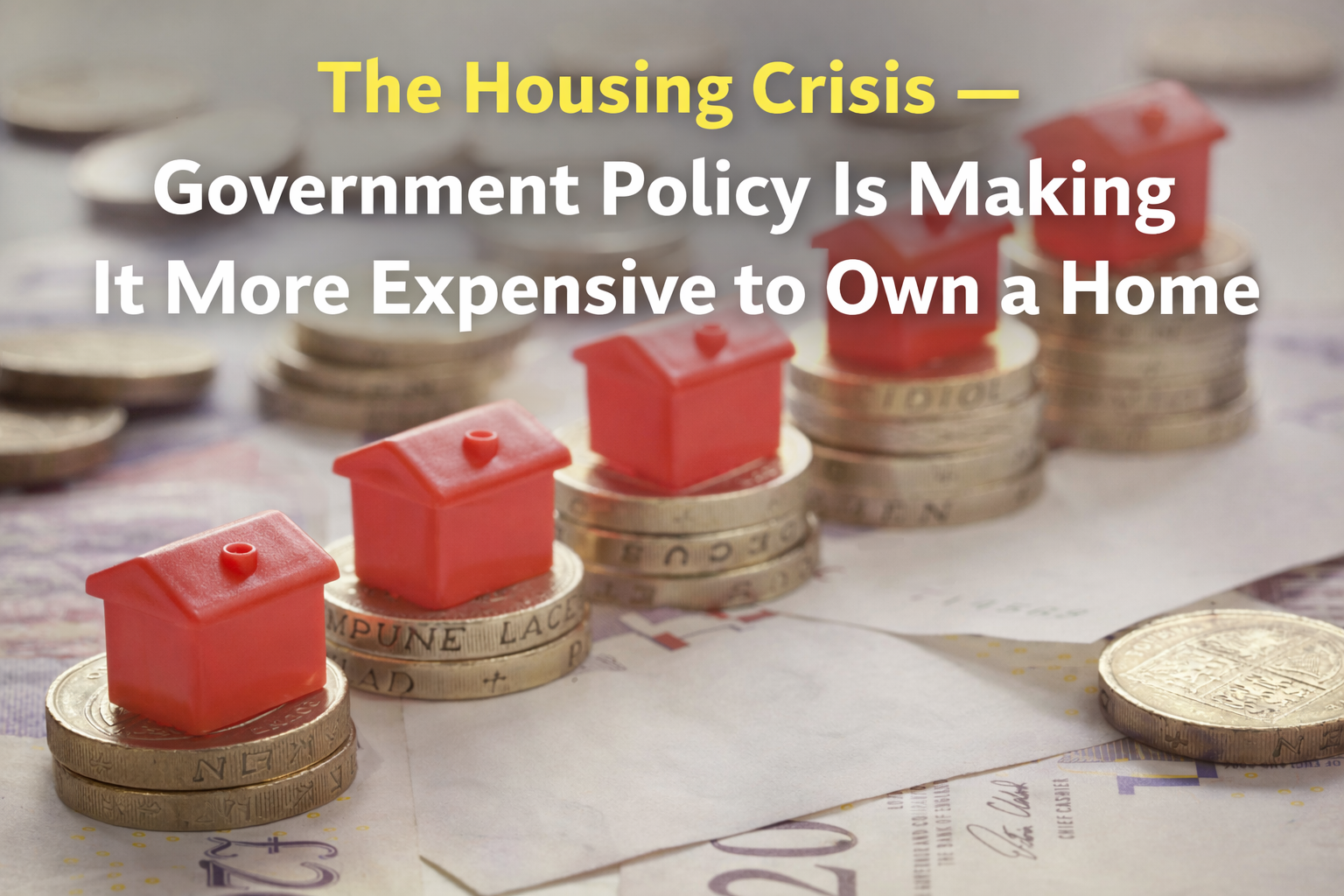
For years, the Isle of Man has been grappling with a housing crisis that has quietly reshaped the lives of working families. It is not a sudden emergency, nor a recent shock. It is a slow, steady accumulation of pressures — rising prices, limited supply, stagnant wages, and a regulatory environment that many say has made homeownership more expensive than ever.
Among the most persistent concerns is the cost of maintaining a home once you finally manage to buy one. And at the centre of one debate sits a set of rules updated in 2021: the Building Control (Fees) (No. 2) Regulations. Critics argue that these regulations have increased a new, long‑term financial burden on homeowners, one that grows every year and affects those who already shoulder the greatest risk.
A fee structure built on the cost of private work
Planning and Building Control falls under the Department of Environment, Food & Agriculture (DEFA). The 2021 regulations require homeowners to pay plan and inspection fees based on the estimated cost of the work they need to carry out. The legislation states that plans must be accompanied by a “reasonable written estimate of the cost of the work,” and the higher that estimate, the higher the fee.
For many, this is the heart of the issue. The system was designed by government, implemented by government, and is now defended by government — yet the cost of running it falls entirely on private homeowners.
We never asked for this system, but we’re the ones paying for it.
“It’s not about the complexity of the job or the time it takes to inspect,” one resident told Manx.News. “It’s about the value of the work you’re doing to your own home. We never asked for this system, but we’re the ones paying for it.”
How the Regulations Passed — Quietly, Without Scrutiny
The updated Building Control (Fees) Regulations were moved by the former Minister Geoffrey Boot and approved by Tynwald on 18 May 2021. The official Votes and Proceedings show something striking: the motion carried without a division.
- No Member spoke.
- No Member called for a vote..
The Regulations simply sailed through, unchallenged.
Two Members — Tanya August‑Hanson and Dr Alex Allinson — were absent with leave. But every other Member listed as present at the start of the sitting was in the Chamber that day, and because no division was called, every Member present effectively allowed the Regulations to pass.
Those present in the Legislative Council included:
President of Tynwald, HM Attorney General, Lord Bishop, Peter Greenhill, Bill Henderson, Kate Lord‑Brennan, Marlene Maska, Rob Mercer, Jane Poole‑Wilson, Kerry Sharpe.
Those present in the House of Keys included:
Speaker of the House of Keys Juan Watterson, David Ashford, Tim Baker, Clare Barber, Geoffrey Boot, Alf Cannan, Daphney Caine, Rob Callister, Claire Christian, Ann Corlett, Graham Cregeen, Julie Edge, Ray Harmer, Lawrie Hooper, Jason Moorhouse, Ralph Peake, Martyn Perkins, Howard Quayle, Paul Quine, Chris Robertshaw, Bill Shimmins, Laurence Skelly, Chris Thomas.
In parliamentary terms, their collective silence meant collective endorsement.
For homeowners now struggling with the long‑term consequences, this lack of scrutiny has become a regular occurrence in Tynwald.
The long-term squeeze on working families
The Island’s housing pressures did not begin with these regulations, but many homeowners say the fees have become part of a wider pattern: a system that makes it harder to own and maintain a home, even for those who work tirelessly to do so.
Many families say they now only dream of home improvements or extensions — not because of a lack of ambition, but because the financial pressures of everyday life have made such plans feel out of reach. Energy prices have surged, local authority rates continue to rise, and new waste charges have added yet another bill to already stretched household budgets. For many, simply keeping the lights on and the heating running whilst on stagnant wages, is a challenge enough. Those who do manage to save for improvements often do so through years of sacrifice, extra shifts, and careful budgeting. Yet the moment they finally reach the point of being able to invest in their home, they find themselves hit again — this time by government fees tied to the cost of the work itself. Critics say it feels like a system that punishes effort at every turn, hammering the very people who work hardest to maintain and improve their homes.
When Saving Isn’t Enough: Government Fees Strike Again
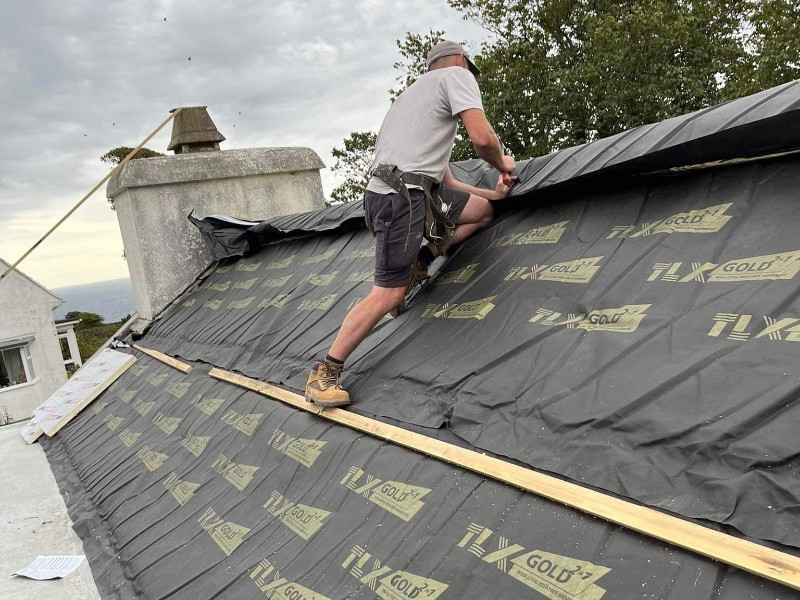
One example is that of a young woman who bought a modest bungalow in Ramsey after years of extra shifts and careful saving. When her roof began to fail, she saved again — slowly, deliberately — until she could finally afford the replacement. But when she reached that point, she discovered that the Building Control fees would add considerable extra cost, rising because the repair itself was expensive.
“She did everything right,”. “She worked hard, saved, took responsibility. And the moment she tries to maintain her home, she’s hit with fees that increase because the repair is costly. How does that help anyone?”
Relative of young Ramsey home-owner
For many, this is not a one‑off story. It is a reflection of a long‑term trend: the cost of homeownership creeping upward through layers of regulation, fees, and administrative requirements.
A widening contrast with social housing
Another long‑running point of tension is the contrast between private homeowners and social housing tenants. Over the past two decades, many government‑owned properties have undergone extensive upgrades — new kitchens, new bathrooms, new roofs, new heating systems and some fully refurbished — all funded by the taxpayer.
Meanwhile, private homeowners must pay for every repair themselves, plus pay government fees for permission to carry out those repairs.
“It feels like two different systems,” one homeowner said. “If you’re in social housing, the state renovates your home. If you buy your own home, the state charges you for renovating it yourself.”
This contrast has become symbolic of a deeper frustration: the sense that those who take on the financial risk of homeownership are the ones who face the most obstacles.
A long-term issue that demands long-term attention
Housing was a major issue in the 2021 General Election, and many voters expected meaningful action. Five years on, critics say progress has been limited, and the cost of owning a home has only increased under this administration.
The Building Control fee structure is just small one part of a much larger picture, but it has become a symbol of the pressures facing ordinary homeowners. It represents a system that, over time, has made homeownership more expensive, more complicated, more bureaucratic and more burdensome.
This is not a crisis that erupted overnight. It is a slow, steady shift — one that has left many feeling that the system is stacked against them.
“If you work hard, save, buy a home, and try to look after it — you pay more. And people are tired of feeling like they’re being punished for doing the right thing.”
Local homeowner
A Message for Those Seeking Election: Voters Haven’t Forgotten 2021
As the Island heads toward another election, many homeowners say their patience has run out. Housing was a headline issue in 2021, yet critics argue that little has changed except the cost of living and the cost of owning a home — both of which have risen sharply. The Building Control fee structure, approved without debate or a single Member calling for a vote, has become a symbol of that failure. And there are many other examples of this administration piling on the costs for homeowners. And now, as candidates prepare to knock on doors again, residents are asking a blunt question: what exactly will you promise this time — and why should anyone believe you’ll deliver it? After years of rising fees, rising barriers, and rising frustration, many voters say the era of warm words and vague commitments is over. They want action, not slogans — and they will be watching closely.