




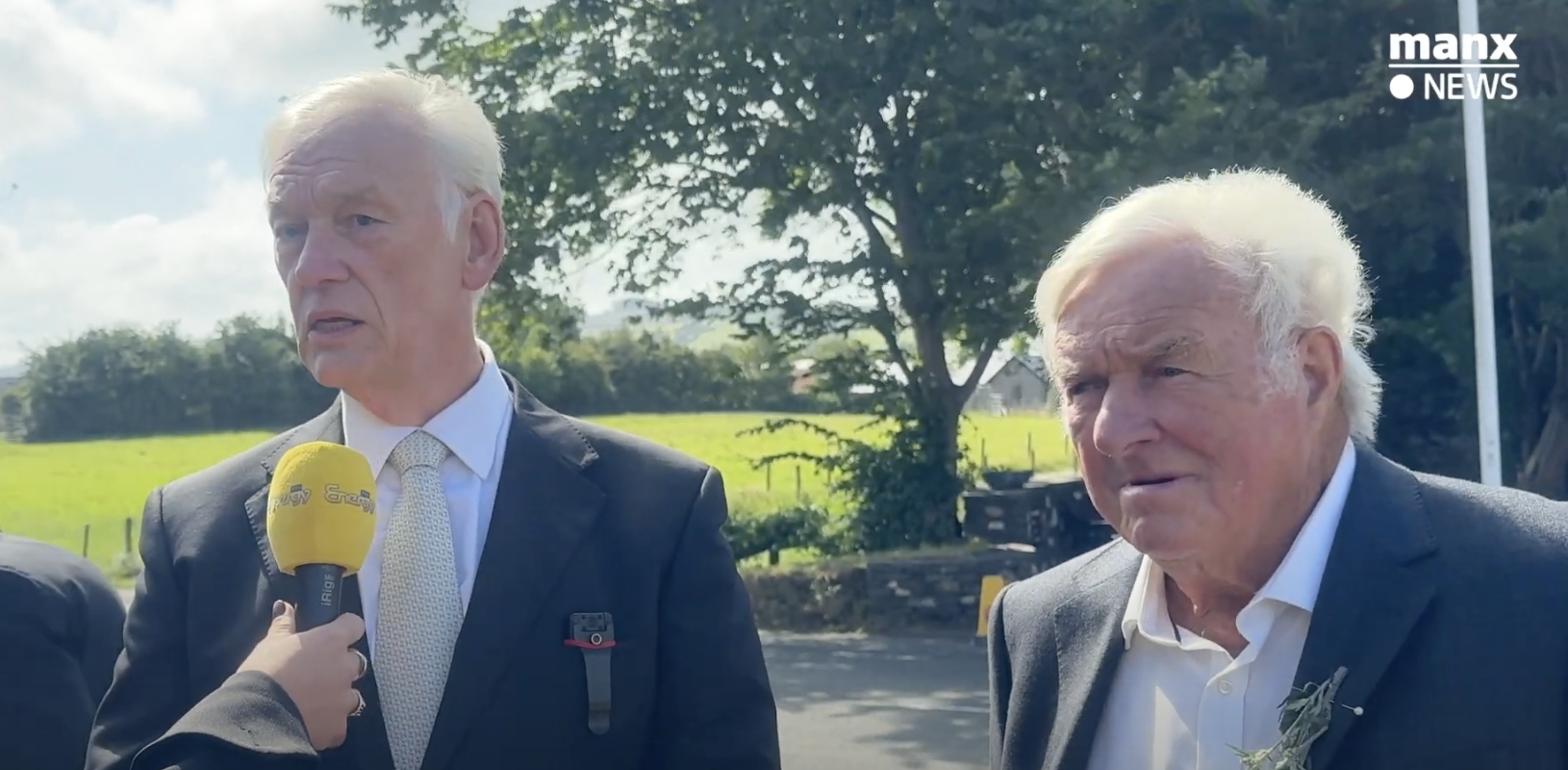
Local campaigner Alf Caine has set out his views on Clause 5 of the Local Government (Amendment) Bill 2023.
Mr Caine wrote the following after reading in full the Main Briefing Paper for MHKs – Clause 5: Constitutional, Financial, Democratic and Procedural Concerns.
DOI: Be careful what you wish for, you might just get it.
If politicians believe a service is important enough to be delivered across the whole island, then surely they should also be willing to fund it.
That, in simple terms, is the problem with Clause 5 of the Local Government (Amendment) Bill. It allows central government, through the Department of Infrastructure, to require local authorities to carry out new duties, but without guaranteeing the funding to pay for them. The result is straightforward. Costs decided centrally risk being pushed onto local ratepayers through higher rates.
Local authorities are not branches of government departments. They are made up largely of local people, many effectively volunteers, funded by local residents to provide local services. If central government wants a service delivered consistently across the Island, the fair and sensible approach is for central government to fund and resource it.
There is a simple principle here. If the Department of Infrastructure wants local authorities to do the work, then the Department should pay for it.
Clause 5
If that condition were met, Clause 5 could actually work well. Local authorities deliver services closer to the ground. They employ local workers and contractors, prioritise work based on local need, and get things done more quickly and often at lower cost. Removing layers of bureaucracy can mean faster results and better value for money.
But without a clear, statutory guarantee that any new duties will be fully funded by central government, Clause 5 is not reform. It is a transfer of financial risk from government to households and small businesses.
It is also worth asking what happens if Clause 5 is removed altogether. The answer is simple. We are no worse off than we are today. There is no crisis that demands this power now, particularly at a time when residents are far more concerned about the cost of living, public finances, local jobs, and the condition of our roads and infrastructure.
With the House of Keys due to debate this shortly, the choice should be clear. If government wants it done, government should fund it. Ratepayers deserve clarity, fairness, and consent, not uncertainty.
