




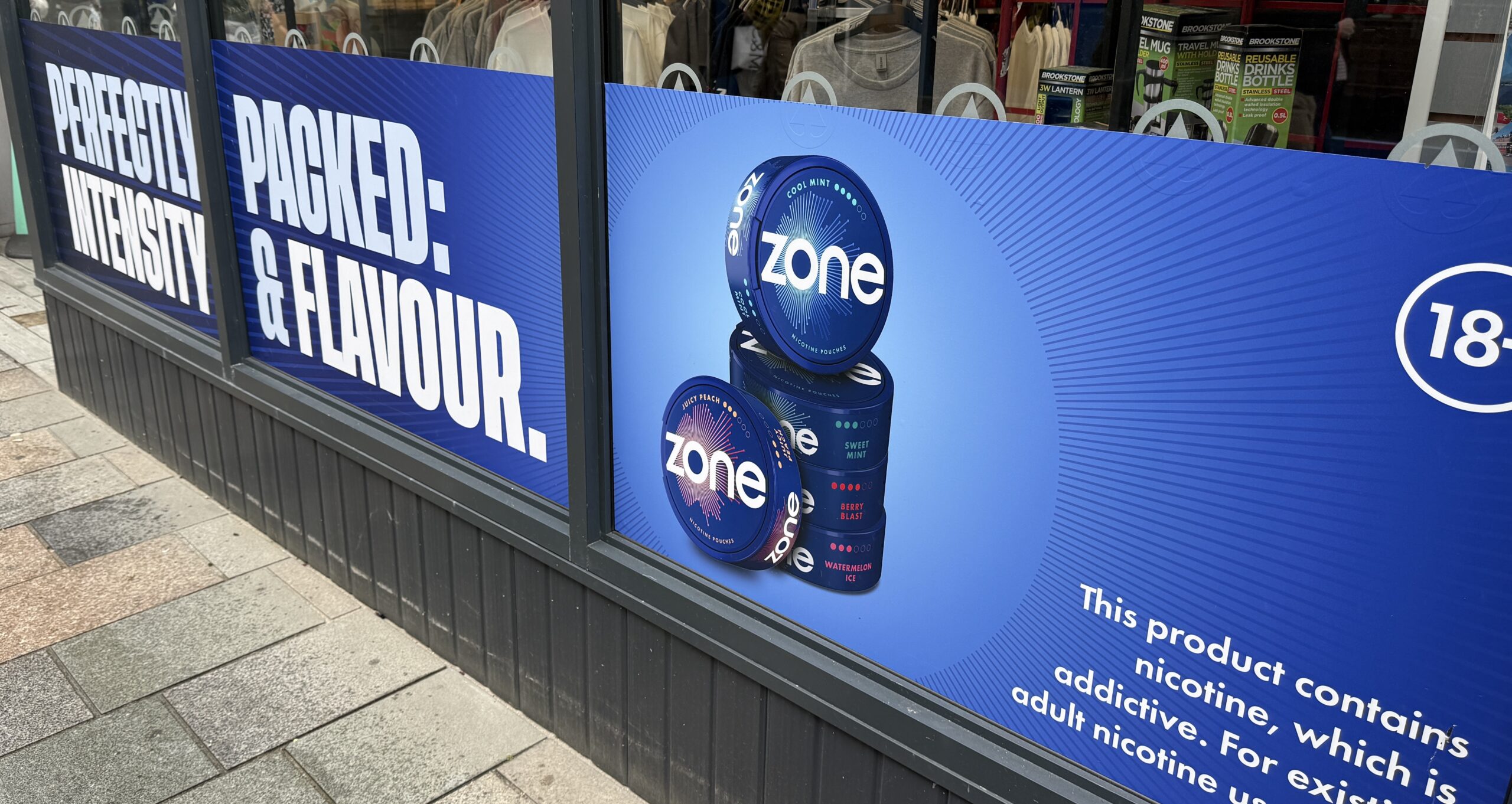
A bill banning the sale of nicotine products to under-18s, closing what politicians described as a “loophole” in existing laws, has been passed by Keys.
The Nicotine Products Bill 2026 was rushed through all its stages in a single sitting on Tuesday after concerns were raised about children legally purchasing nicotine pouches and other products.
‘Disgraceful’
Cabinet Office Minister David Ashford told members he had been “absolutely shocked” by the marketing of some products, which he said were “clearly aimed at children”.
“Once children are addicted, you know, it’s closing the door,” he said.
The bill, modelled on existing age controls for tobacco and vaping products, will make it illegal to sell nicotine products to anyone under 18.
Concerns
Some members expressed concern about the speed of the legislation, with Lawrie Hooper noting the bill was drafted “with some haste”.
However, Mr Ashford defended the approach, saying: “It may not be a perfect solution, but it is indeed a solution.”
The minister emphasised the bill was intended as a “stop gap measure”, with more comprehensive regulation being developed by Public Health.
Parents
Clare Barber told members that parents were “absolutely astounded” the sale of such products to children was not already illegal.
“As a mum of a 14-year-old boy, having spoken to other parents, they just assumed that it was already the case,” she said.
The legislation received unanimous support, with Dr Michelle Haywood, who originally tried to bring about changes in a private members’ bill before it was shunted in a committee, praising the “collective desire to move quickly”.
The bill will now pass to the Legislative Council for approval, with royal assent expected in October 2026.
Several amendments tabled by Mr Hooper were accepted, including provisions to prevent young shop workers from being held responsible for underage sales, with liability resting with the premises owner.
A ban on vending machine sales, present in tobacco and vaping legislation, was not included in the bill, with Mr Ashford saying this “wasn’t one of the immediate pressing concerns”.