

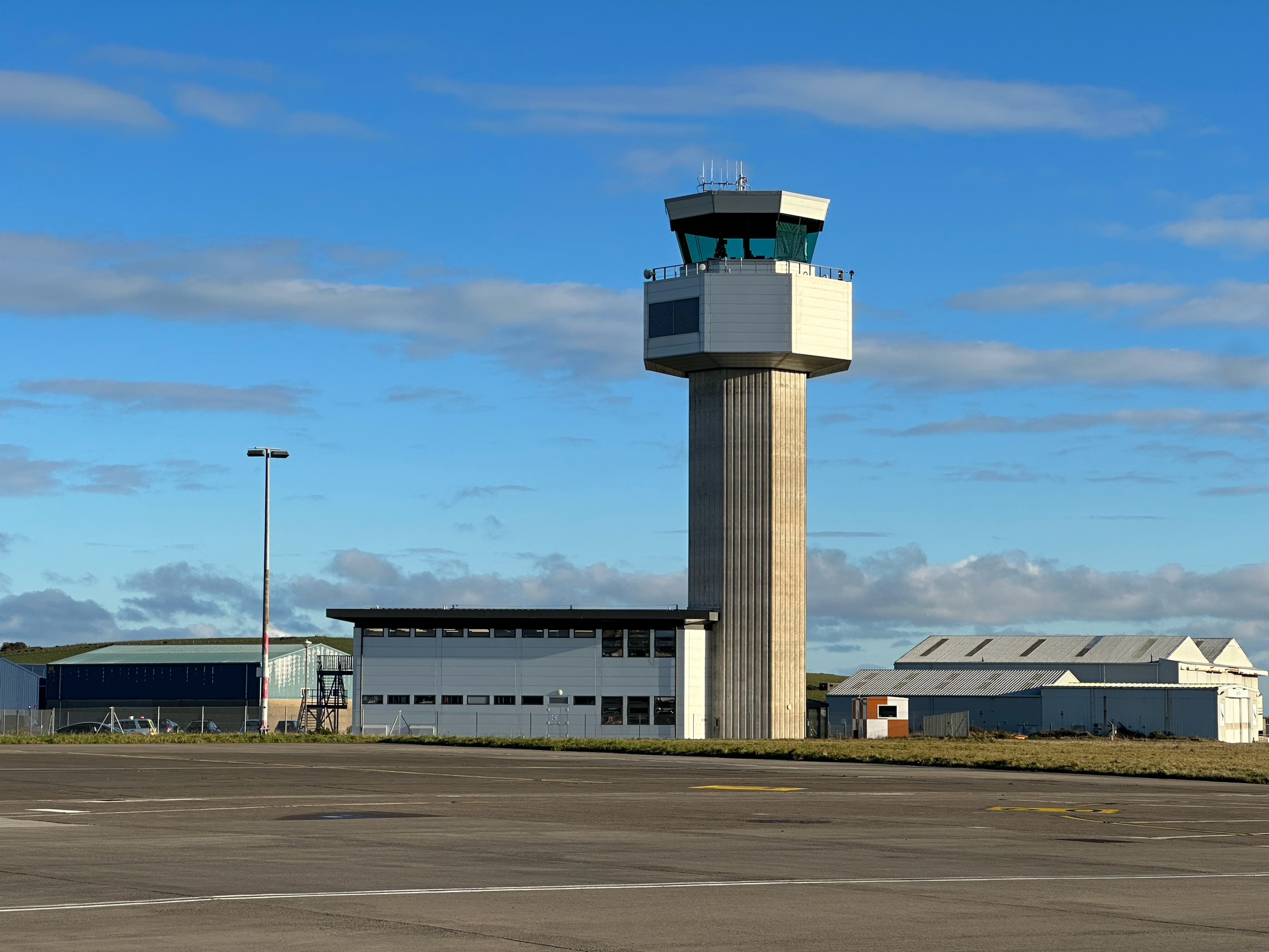
The Isle of Man Airport (Ronaldsway) is again facing a storm of scrutiny — not just over pay disputes or operational delays, but over something far deeper:
A culture of fear, a breakdown in trust, and serious questions about safety and oversight.
What began as a debate in the House of Keys has now escalated into a full-blown crisis, with internal documents, union pushback, and whistleblower testimony painting a picture of dysfunction at the heart of Ronaldsway.
Political Oversight? “Not Our Business,” Say Officials
In today’s House of Keys session, members pressed the Minister for Infrastructure on ‘who holds the reins when it comes to employment decisions at the airport?’.
The answer: not politicians.
The Minister confirmed that appointments — including that of the current Interim Airport Director — are made by the civil service, with no requirement to inform or consult elected officials.
That revelation stunned some members. Stuart Peters MHK (Middle), a former DOI member with responsibility for the airport, said that neither he nor the DOI Minister was consulted or informed about the Director’s appointment. “We were told it was a civil service appointment and not the business of politicians,” he said, calling it a “ridiculous and egregious oversight.”
On the Payroll, But Barred From Working
Jason Moorhouse went on to highlighted that two senior ATCOs had been on full pay but barred from working for over a year — a decision made by airport management without political scrutiny. The Minister refused to comment on this.
Julie Edge pressed the Minister on whether she had full confidence in the airport’s safety, given staffing issues and delays. The Minister responded with a blanket assurance that the airport is safe, but refused to engage on employment specifics.
Chris Thomas demanded clarity on what documents and processes govern ATCO employment decisions and whether the Minister had seen the controversial email. Again, the Minister refused to comment.
The exchange revealed the disconnect between operational control and democratic accountability, with elected members increasingly concerned that serious decisions affecting safety, staffing, and public trust are being made behind closed doors.
LISTEN to the Questions in the House of Keys:
The Letter That Lit the Fuse
At the centre of the current dispute is a letter sent by Interim Airport Director Geoffrey Pugh to all ATCOs on 20 October 2025. (Below).
Jason Moorhouse MHK raised concerns about the communication which was sent to ATCOs, asking the Minister whether any oversight had been exercised. The Minister declined to comment, citing operational boundaries.
The letter outlines a “full and final” pay and conditions offer — including a 6% pay rise, enhanced allowances, and new insurance provisions — but also sets out operational expectations: extended hours, overnight standby, and mandatory training outside rostered hours.
Union Response: “Pressure, Blame-Shifting, and Ultimatums”
The union’s reply was blistering. “I reject both the tone and the narrative,” wrote Debbie Halsall, the union representative.
It is wholly inappropriate to issue what reads like a list of instructions, ultimatums, and implied threats during an active industrial dispute.” – Debbie Halsall, UNITE
She accused the Airport of trying to bypass collective representation and reframing the training crisis to blame staff. “Let’s be honest,” she wrote. “The breakdown in training provision did not begin with this dispute.”
The union drew two red lines:
- No operational changes during a live dispute.
- No individual HR meetings that undermine collective bargaining.
ATCO-X: “I Believe the Airport Is Fundamentally Unsafe”
Then came the whistleblowers. Speaking exclusively to Manx.News after listening to the debate:
ATCO “X”, a current Air Traffic Control Officer and licence holder, described a toxic culture where raising safety concerns leads to retaliation.
There is a pattern of intimidation and blame when safety issues are raised, people who speak out are dismissed as troublemakers.”
They described management as “condescending and contemptuous,” and said the fear of commercial consequences can influence safety decisions. “I choose not to fly from this airport knowing that safety may be at risk.”
They also referenced a Level 1 finding from the UK Civil Aviation Authority audit in July/August 2025 — the most serious category of regulatory concern — and alleged that unsafe practices have been “cultured and condoned” by the current senior management team.
Former ATCO: “They Pay Lip Service to Safety”
A second ATCO, who has since left the organisation, echoed those concerns.
“It was a tough decision to leave, but I had given up hope that the airport safety issues would be resolved,” they said. “They pay lip service to safety and to ‘just culture’ but have no real concept of what that means.”
They described being marginalised and smeared for raising concerns — a pattern that aligns with ATCO-X’s testimony and the union’s warnings.
A Systemic Crisis Demanding Answers
What emerges is not just a labour dispute, but a systemic crisis. A culture where safety concerns are silenced. Where operational decisions are politicised, but oversight is absent. Where staff are caught between professional duty and institutional pressure.
The Department of Infrastructure insists it has “full confidence” in the safety of airport operations. But confidence is not the same as accountability. And with conciliation talks looming, the question now is not just whether the dispute can be resolved — but whether the culture that caused it can be dismantled.