




A multi-year transformation programme to create an all-age neurodivergent support and diagnostic pathway is expected to be fully operational by 2029.
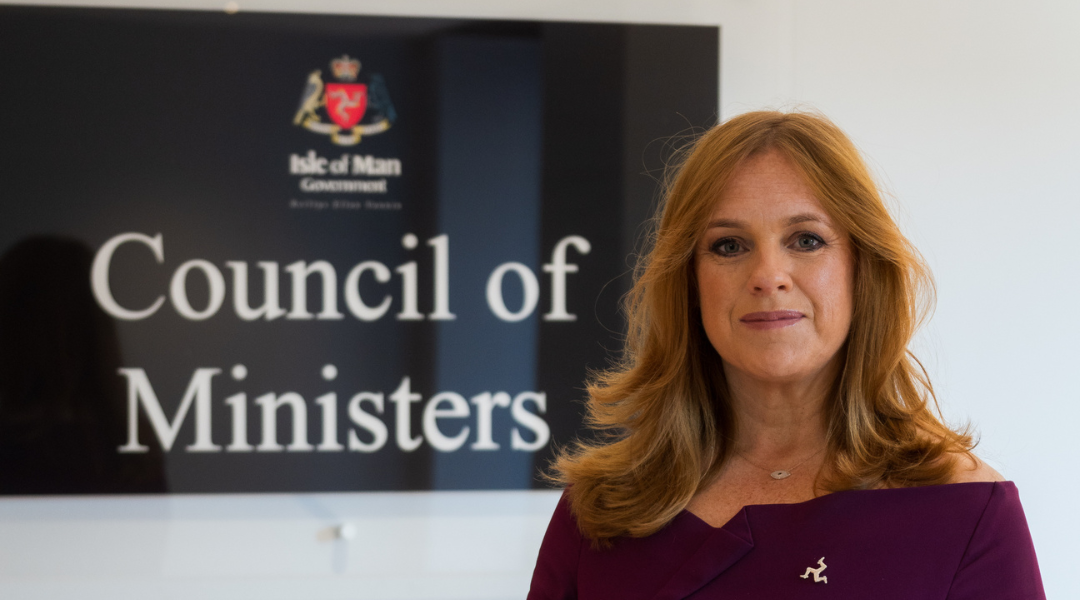
Health and Social Care Minister Claire Christian presented a report to the court outlining plans for a dedicated adult autism and ADHD diagnostic service, community outreach initiatives, and a single coherent pathway.
The proposed adult diagnostic service is scheduled to go live on April 1 2027, with full implementation targeted for 2029 at an estimated cost of £2.8m.
“This model cannot depend on the diagnosis alone, but instead on timely access to interventions and the adoption of reasonable adjustments, which if absent can increase distress, heighten functional difficulties and place additional strain on individuals and their families,” Ms Christian said.
She added that neurodivergence “is not an illness and not a sign of reduced potential or capability” but reflects “different but equally valid ways of experiencing and interacting with the world”.
Concerns over timeline and funding
Douglas East MHK Joney Faragher, who brought the original resolution in June 2025, welcomed the report but raised concerns.
“For some people currently waiting on diagnosis, 2029 isn’t a plan. It’s a delay,” Ms Faragher said. “There are people struggling with the high cost of private diagnosis and support.
“There are people who suspect they’re neurodivergent but are in a limbo state of not being able to follow up on this due to lack of affordable pathways.”
Dr Michelle Haywood warned that the estimated prevalence of neurodivergence may be significantly understated.
“There’s a considerable building evidence now that actually that is probably below, probably only about a third of the actual neurodivergent,” she said.
“That will lead to higher demand, which I think then starts to impact on the deliverability of this strategy in the future.”
She also emphasised the lifelong nature of neurodivergence, stating: “It’s not something you can get over or grow out of. It is something that you will carry for ages.”
Dr Haywood cautioned that without proper support, adults often present in crisis. “That unmet neurodivergent need doesn’t disappear. It often then emerges in crisis, particularly through the adult mental health services.”
She added: “Strategies don’t support people. Delivery does.”