


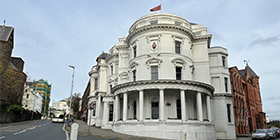


The Assisted Dying Bill has been cleared by both branches of Tynwald, which should essentially clear the way for it to be sent for Royal Assent.
With MLCs backing the amendments made by Keys, it makes Tynwald the first parliament in the British Isles to take this step.
This morning saw MLCs consider clauses four, seven, ten, and the Bill’s schedule, with the Council ultimately deferring to the will of the elected chamber.
The private members’ bill from Ramsey MHK Dr Alex Allinson will allow terminally ill residents to be legally assisted to end their own lives.
Key Amendments Approved
The Council accepted the Keys’ rejection of its own amendments to clause four (residency requirements) and clause seven (proximity of health professionals during assisted deaths).
It also backed an altered version of clause ten, which tightens language around coercion, duress, and undue influence.
Residency
The Council’s acceptance of the House of Keys’ amendment to Clause Four – extending the assisted dying eligibility residency requirement from one to five years – proved one of the bill’s most contentious changes.
Mrs Kennish warned that the law could result in “keeping families divided… or losing residents who move to access support elsewhere”.
Mrs Kennish also rejected claims by MHKs of “death tourism” saying that the healthcare access comparisons were flawed.
She said: “If somebody comes here and is diagnosed with cancer, they will get that cancer care… with no cost to them.”
Gary Clueit expressed his own reservations, saying the five year requirement is “simply too long” but said that he had to support the will of the elected chamber.
The clause passed with members hoping future regulations might add flexibility to “ordinarily resident” definitions.
Bishop’s Amendment Rejected
Bishop’s Tricia Hillas used the sitting to move an amendment to clause seven, requiring health professionals to remain in “close proximity” to patients during assisted dying.
The Bishop argued that the change would safeguard dignity and compassion, drawing parallels to maternity care:
Bishop Hillas said: “When someone has made the deeply personal decision to die by assisted suicide, they should not be left to face it alone or in uncertainty unless they have specifically chosen to do so.
She added: “This is about ensuring the dignity of the person and not the convenience of the system.”
However, MLCs said that the measure was unnecessary in primary legislation, with Dawn Kennish saying it was not needed at that phase.
Other members also spoke to oppose this, with Paul Crane warning of practical challenges, particularly for home deaths.
The amendment was defeated, with the Council opting to leave specifics to secondary legislation and codes of practice.
Up Next
With amendments resolved, the Assisted Dying Bill will now need to be signed by five MLCs and 13 MHKs.
If passed, it proceeds to Royal Assent.
However, this is far from the end of the process.
Implementation will then depend on secondary legislation and codes of practice, including residency verification, coercion safeguards, and medical protocols, all of which will face further scrutiny.
5 Comments