
Infrastructure Minister Tim Crookall has apologised following a damning report into his department’s handling of flood defence works in Laxey.
A number of concerns were raised in Tynwald in July when Members debated a report by the Tynwald Commissioner for Information that found governance failures over the works at Victoria Terrace.
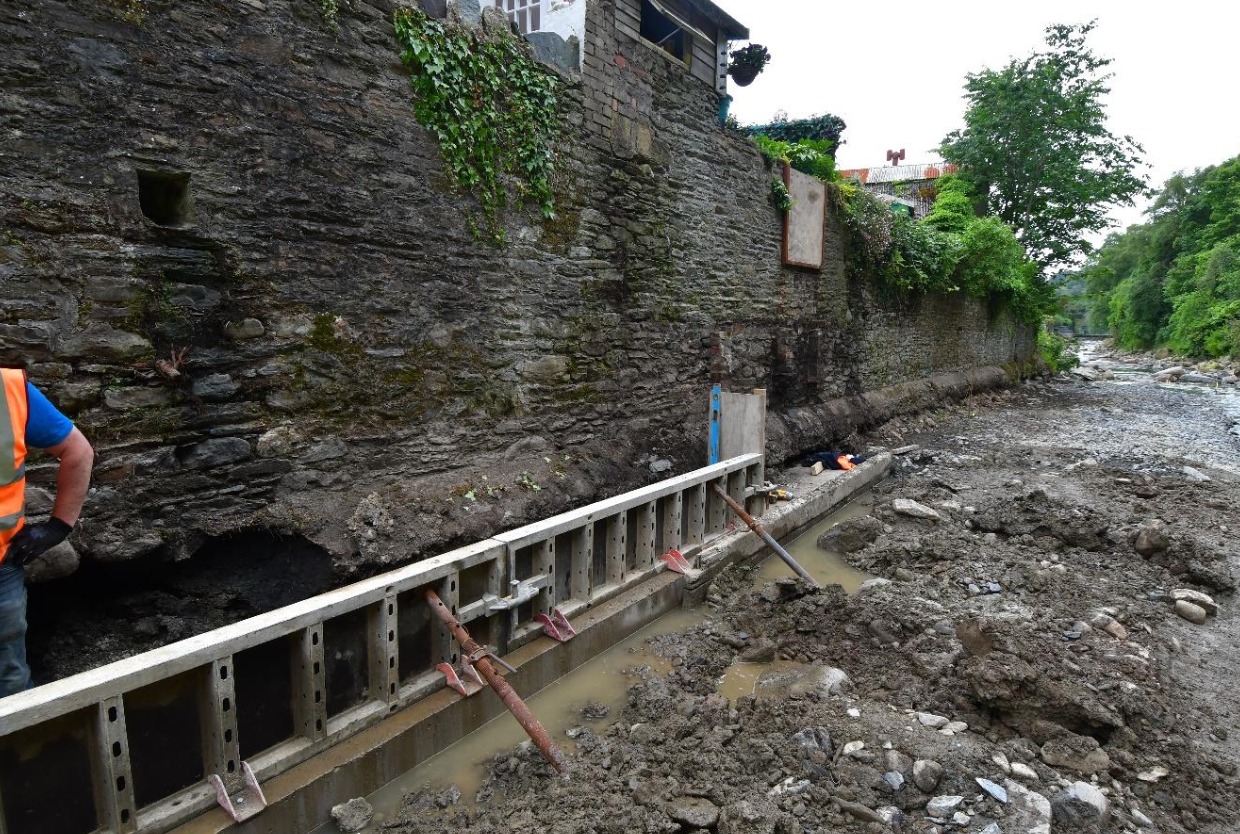
The Department of Infrastructure built, without authorisation, a patio in place of flood defences on a private property in the village, at a cost of £30,000.
Crookall, who is no longer an MHK and will stand down once a new minister is appointed, circulated a statement to Tynwald members in August, but it has only come to light now, after the election, following the purdah period that comes with the dissolution of the House of Keys.
He states: “I acknowledge the distress, inconvenience and disruption this matter has caused.”
The department accepts the work affected more than one property and “placed residents in a difficult and uncomfortable position”.
“The concerns raised by the complainant and neighbouring residents, including privacy, amenity, neighbour relations, planning regularisation, enforcement risk and confidence in departmental processes, are understood,” he adds.

‘Sincere and Unreserved Apology’
“For the avoidable distress and tension caused, I offer a sincere and unreserved apology on behalf of the department.”
Following a report from Garff Commissioners, complaints lodged and the issue being raised in Tynwald, he says the department “accepts that its processes did not operate as they should have done”.
The minister admits: “The failings included planning control, flood-risk consent, contract instruction, financial governance, record keeping, complaint handling and oversight.
“The works should not have proceeded in the manner that they did.”
He says the wider Laxey flood alleviation scheme remains important and was developed to reduce flood risk following the serious flooding in October 2019. But that did not remove the DoI’s statutory responsibilities in terms of planning, environmental and fiscal rules.
“Public bodies must be able to demonstrate that they meet the standards they expect of residents, contractors and landowners. In this case, the department fell short of that standard.”
The issue arose when changes were made to an approved design for the river wall. Crookall says that should have triggered a formal pause before any works.
He stresses none of the failings were of the homeowner, and were down to the department.
Correct Processes Not Followed
Crookall also concedes: “The complaint process also did not provide the clarity, independence or confidence that residents were entitled to expect.
“The resident should not have had to pursue the matter through multiple stages and ultimately to the Tynwald Commissioner to establish that the correct processes had not been followed.”
The department has pledged not to leave the owner to deal with the consequences.
“It accepts responsibility for working with the owner, planning enforcement officers and other relevant parties to identify and implement a lawful and practical remedy with urgency and proper regard to the distress already caused,” says Crookall.
“The proposed way forward is to remove the existing patio structure down to riverbed level and construct a new wall in line with the approved flood wall design.”
But work will not begin until June next year, due to “planning, contractual and time constraints”.
“Affected residents will not be left financially disadvantaged as a result of department-led works or the remedial process required to put matters right,” says Crookall.
“Any associated costs, inconvenience and other impacts arising from the department’s shortcomings will be considered fairly, consistently and with sensitivity.”
He says the department has improved its processes.
“Residents affected by this matter were entitled to expect better,” he says.