




Legislative delays, infrastructure challenges and funding issues could mean the government will miss its 2030 target for decarbonising the power grid.
The government has published its latest update on the 2023 Energy Strategy, underscoring its commitment to a sustainable energy future.
However, while the strategy outlines ambitious goals and promising projects, it also acknowledges significant challenges.
The strategy’s “minimal replacement model” suggests a partial reliance on fossil fuel infrastructure as the island navigates the transition.
Independence?
Key to the strategy is the vision for a more self-reliant energy system, less vulnerable to global energy market volatility, with DEFA saying it wants to “support the economic strategy while optimising our abundant natural resources.”
Part of this plan is the focus on offshore wind, with Ørsted planning to develop a project in the island’s territorial waters which it and the government say will bring economic and environmental benefits, create new revenue streams, and potentially supply renewable energy directly to the island.
The updated strategy underscores the government’s commitment to this, but acknowledges that projects of this scale “carry commercial uncertainties” and face numerous legislative and regulatory hurdles.
It outlines that legislative progress is essential for moving forward with offshore and onshore renewables and DEFA says it is working on implementing secondary legislation under the Marine Infrastructure Management Act (MIMA) to regulate offshore projects.
However, delays in securing these frameworks could slow momentum.
It’s All About The Money
The report says that while DEFA is in discussions with the Treasury, the exact funding mechanisms for major infrastructure projects, like the proposed second interconnector to the UK grid, are not fully developed.
It also notes budgetary constraints, adding that a full financial plan for these projects will likely only be clear by next summer.
With a goal of generating 30MW of renewable power by 2026, Manx Utilities is continuing to work on the controversial plan for an onshore wind farm at Earystane that “could” meet up to 25% of the island’s energy demand.
However, there are other issues at play besides money here as local opposition is much more vocal than the local support and the plans still have to go through planning approval, which it is not unlikely will include an appeal for the matter to be sent to a planning inspector.
The Grid
No, not locked in time Duke Street development, the actual electric grid (a bad joke, but it’s been a heavy read so hopefully some of you will have enjoyed that).
Integrating onshore renewables with the island’s existing grid poses another challenge, especially as the government plans to use intermittent sources like wind and solar.
The strategy calls for the development of a “smart grid” and demand-side management systems to improve efficiency and manage peak loads, with the government initiating a Demand Evolution Programme with Manx Utilities to incorporate these concepts, but the update suggests that progress is still in the preliminary stages.
Transition
The government plans to introduce a new retrofit and low-carbon heating scheme in early 2025, which would help residents reduce their energy bills and decrease carbon emissions, though full implementation hinges on securing Treasury approval for funding.
DEFA notes that the scheme is meant to be “fair and economically efficient,” but the dependency on future funding leaves some uncertainty about its final rollout and effectiveness.
Balancing Act
The strategy considers a range of scenarios to ensure reliable energy access while decarbonising, which primarily includes a second interconnector to the UK grid as a backup to the current link.
However, the “minimal replacement model,” proposes maintaining diesel generators as a last-resort backup, although this approach may conflict with the island’s net-zero targets.
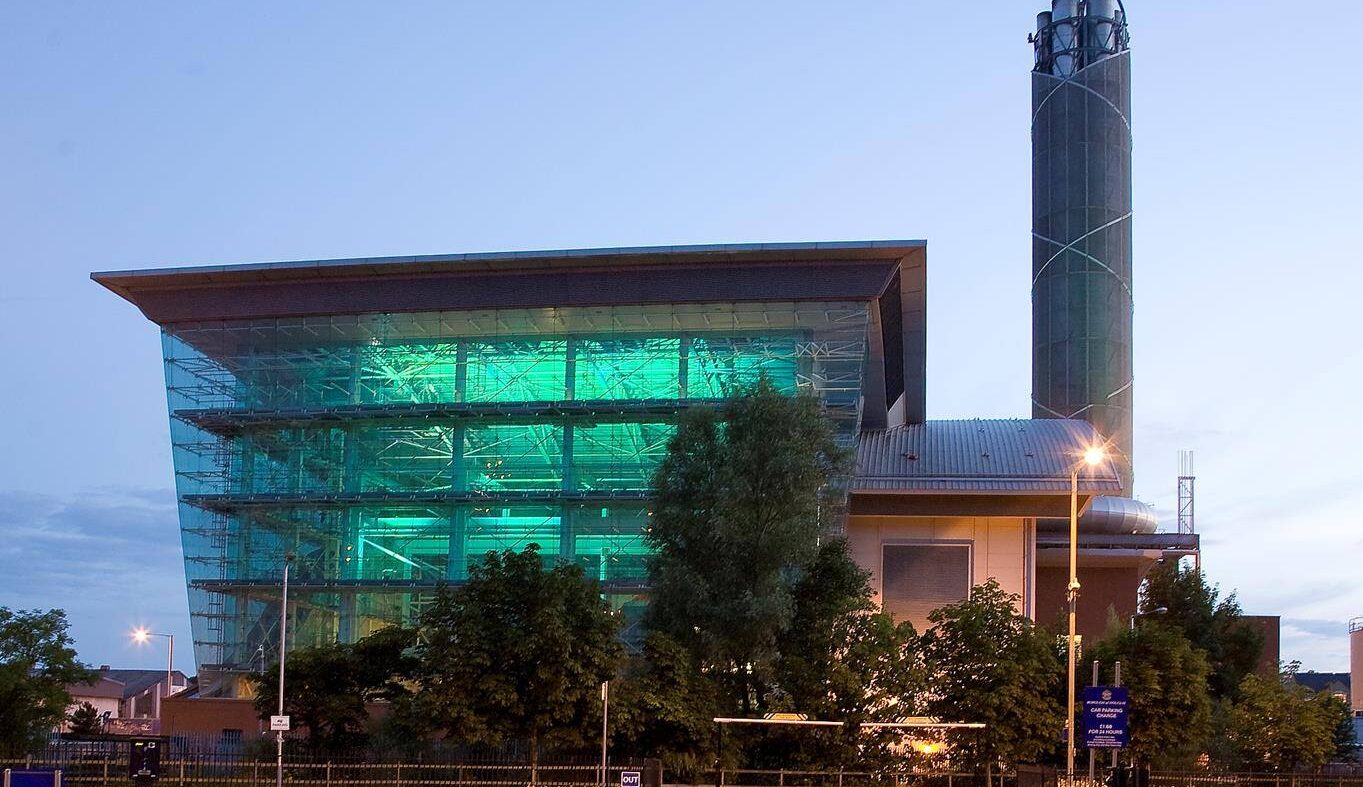
If the second interconnector proves financially or technically unfeasible, reliance on fossil fuel generators may be extended, particularly at Pulrose which would be maintained as an “emergency option in the event of an interconnector outage and provide an additional layer of resilience”.
This would mean they could be upgraded to comply with regulations for hydrogen or clean air.
The report notes that the UK Climate Change Committee has said that the “infrequent use of gas fired generation in order to maintain security of supply has been deemed net zero compatible”.
Tynwald will debate the report in this month’s Tynwald sitting.
6 Comments