



The Great North Air Ambulance Service is celebrating the 10th anniversary of carrying blood products on board their aircraft and overnight cars.
Since January 2015, the charity’s critical care team have been able to deliver blood transfusions at the scene of an incident, giving patients the best chance of survival.
This treatment was not previously possible outside of a hospital setting, and it has now been used to treat nearly 750 patients across the North East, Cumbria and the Isle of Man.
Blood on Board
The pioneering ‘Blood on Board’ scheme is a collaboration between the Newcastle Hospitals, GNAAS and volunteers from the Cumbria and Northumbria Blood Bikes.
It was devised by Dr Rachel Hawes OBE, army reservist, consultant in anaesthesia and prehospital emergency medicine at the Royal Victoria Infirmary (RVI) and doctor at GNAAS.
As an officer in the army reserve, Dr Hawes used her experiences gained during military deployment in Afghanistan as the basis for the idea for the scheme and adapted this to a system suitable for the North East and Cumbria (and subsequently the Isle of Man).
In recognition of her pioneering work, Dr Hawes was awarded an OBE in 2018, but she was full of praise for the team who helped make the project a success.
She said: “It’s been incredibly rewarding seeing the impact the project has had on our patients, but I must highlight that I didn’t work alone, and it was a team effort.
“Without the endless support and hard work from everyone who contributed, this project just wouldn’t have been possible, and it is those people who really do deserve the credit.”
GNAAS Volunteer
On a daily basis, a volunteer from both Northumbria Blood Bikes and Blood Bikes Cumbria collect a cool box containing two units of red blood cells and two units of plasma from the RVI’s blood laboratories.
The cool boxes are then transported to the two GNAAS bases in the North East and Cumbria and carried on board the charity’s helicopters and rapid response vehicles.
The boxes keep the blood products cool for up to 48 hours and if not used, they are returned to the RVI to be used during surgery and other procedures in the hospital.
Dr Hawes OBE said: “In the rare case that we’re requested to attend a major incident in our region, we can rapidly increase the volumes of blood products we carry, and provide four additional teams, fully stocked with blood and plasma, to the scene within an hour.
“We can also offer support to neighbouring regions, in the event of a major incident elsewhere, so regardless of the location, our teams and other resources are always ready to respond.”
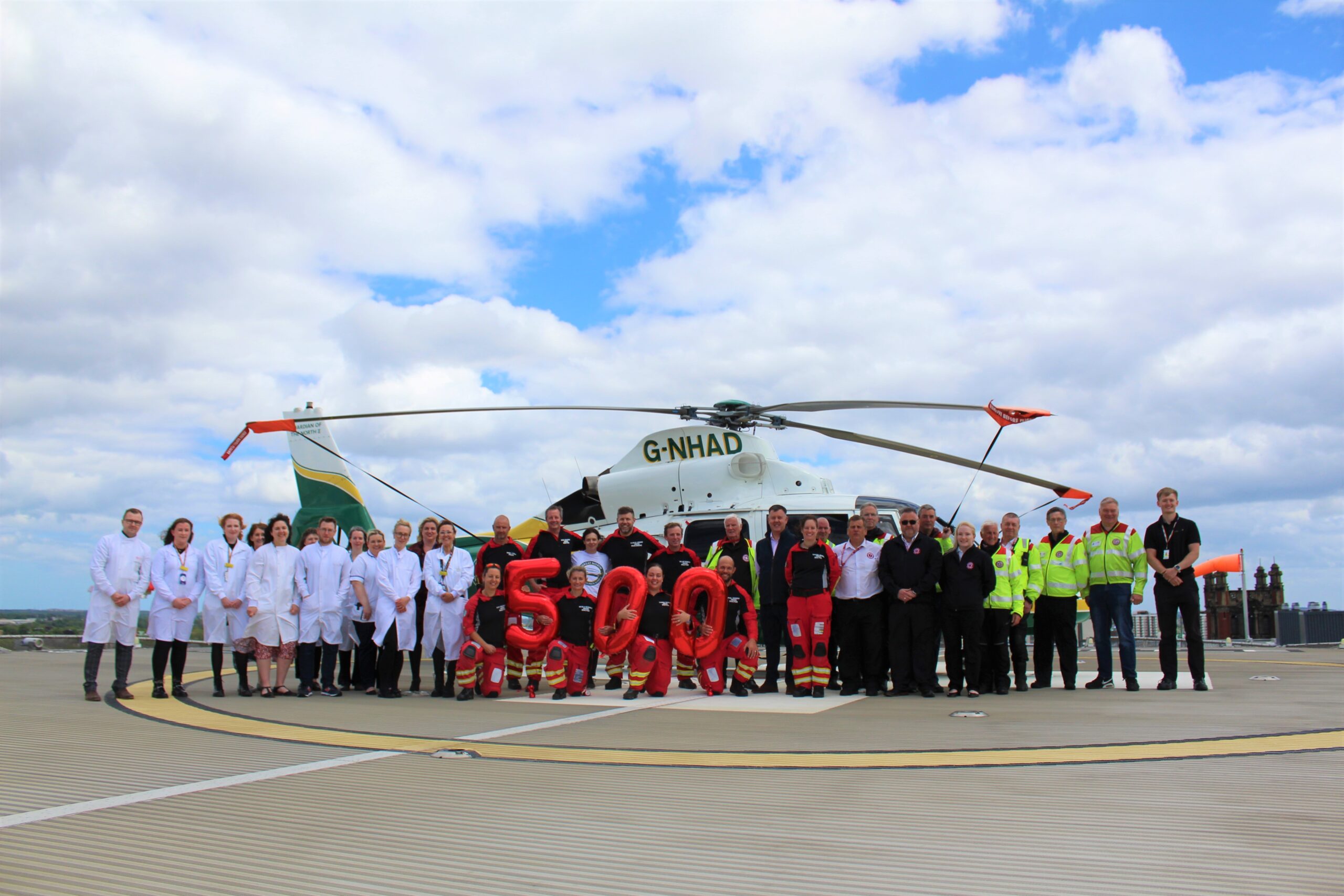
In 2022, GNAAS reached the milestone of delivering blood transfusions to 500 patients, and to honour those patients, and celebrate reaching this milestone, the collaborative team hosted a special reception at the RVI for patients who have received blood and their loved ones.

4 Comments