


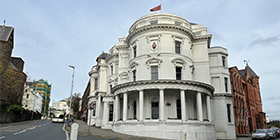


An advocate representing a company claiming misfeasance by the government has criticised its failure to produce documents in a potential £90m case.
A failure to disclose documents properly was a key criticism of the government during the Dr Rosalind Ranson tribunal, which eventually awarded the former medical director over £3m.
Sondica Group Ltd, which was initially told it had been chosen as the preferred developer for Lord Street only for its bid to be rejected the next month, is accusing the government of negligent mis-statement.
Its claim, which could range between £50m and £90m, is against the Department of Infrastructure; The Treasury and Lambert Smith Hampton Group Limited, which acted as an advisor.
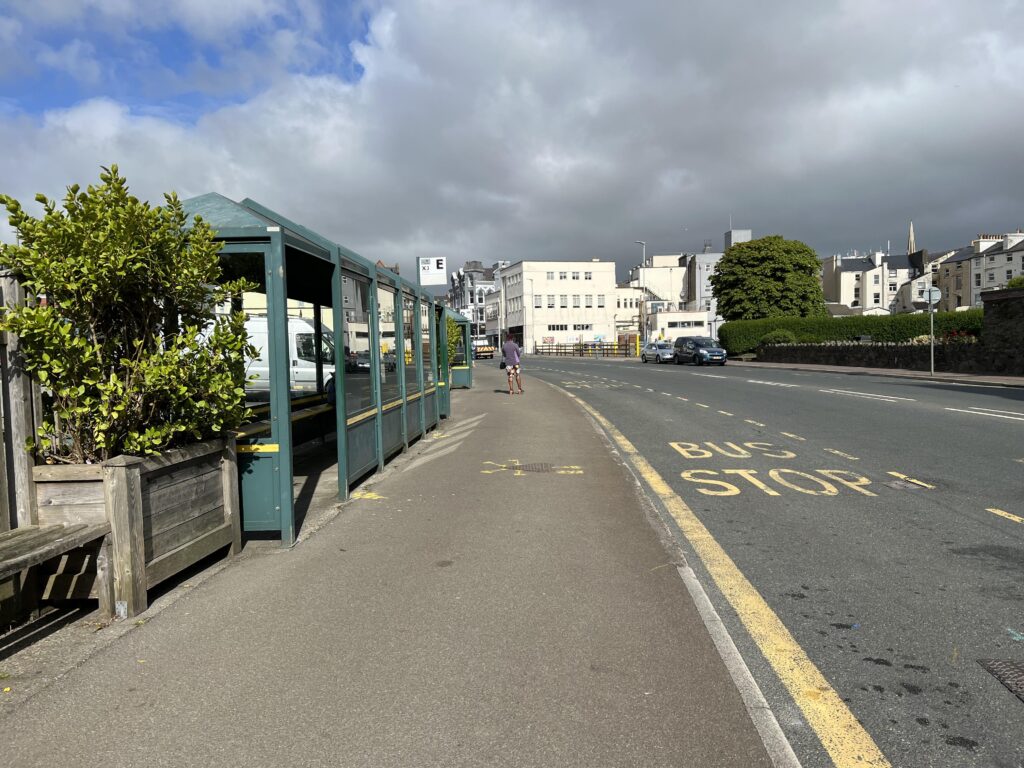
The case itself dates back to 2015 when the DoI began a process to find a developer to take on the long empty former bus terminus site.
That site was eventually awarded to Kane Ltd, which now has an agreement to sell it to another developer dependent on planning permission. There is no suggestion by any party that Kane Ltd acted in anything other than an honest manner during the tendering process.
As the case returned to the court for an order hearing, Vicki Unsworth criticised the disclosure process undertaken by the Attorney General’s Chambers and the government, which has dragged on for multiple years.
Drip Fed
Mrs Unsworth told the court that in the six years since pre-action disclosures began, her client had been “drip fed” documents, including ones which they discovered were missing that have still not been provided.
She told the court that one such document, which was shown as an attachment in emails but only supplied after being listed as missing, was vital to the case being brought.
The court heard that the government had at different times claimed that the document had already been supplied, that it didn’t exist and that it was a draft, despite it being a signed copy.
Mrs Unsworth accused the government of showing “absolute contempt” for the court and said it had “more than a smattering” of the events of the Dr Rosalind Ranson case, adding she didn’t want more documents to come out later on and derail any court trial.
David Keats, who took on the case for the government following the departure of another advocate, accepted there had been issues with disclosure which he said had occurred in a “piecemeal fashion”.
However, he said he expects that the process agreed by the parties in the hearing today can proceed to find the outstanding documents.
‘Fell off my chair’
During the hearing, First Deemster Andrew Corlett addressed an issue raised by Mr Keats that the AG’s Chambers said it could cost £500,000 to review all 150,000 documents thrown up by the search parameters relating to the case.
Deemster Corlett told the court the “nearly fell off my chair” by the estimate put forward by a UK based law firm, adding it “defies common sense to me”.
He added that the claim, which in essence is about how and why Sondica went from being the preferred bidder to having its bid rejected, a possible breach of contact and misfeasance in public office, “is not that complicated” had “dragged on” since 2018.
Saying that amount of money “makes a mockery of litigation”, Deemster Corlett added that such a cost to taxpayers is “unacceptable” despite Mr Keats saying that the work can’t be done “in house” but could be made cheaper through the use of AI.
Mrs Unsworth said she didn’t believe it would take so long or cost so much, saying it could be done inside 15 weeks.
The three parties agreed a date in February for the next step of the disclosure process, including the missing documents, to allow the case to progress.
Deemster Corlett said he hoped this means the case can go to a full trial later this year.
6 Comments