

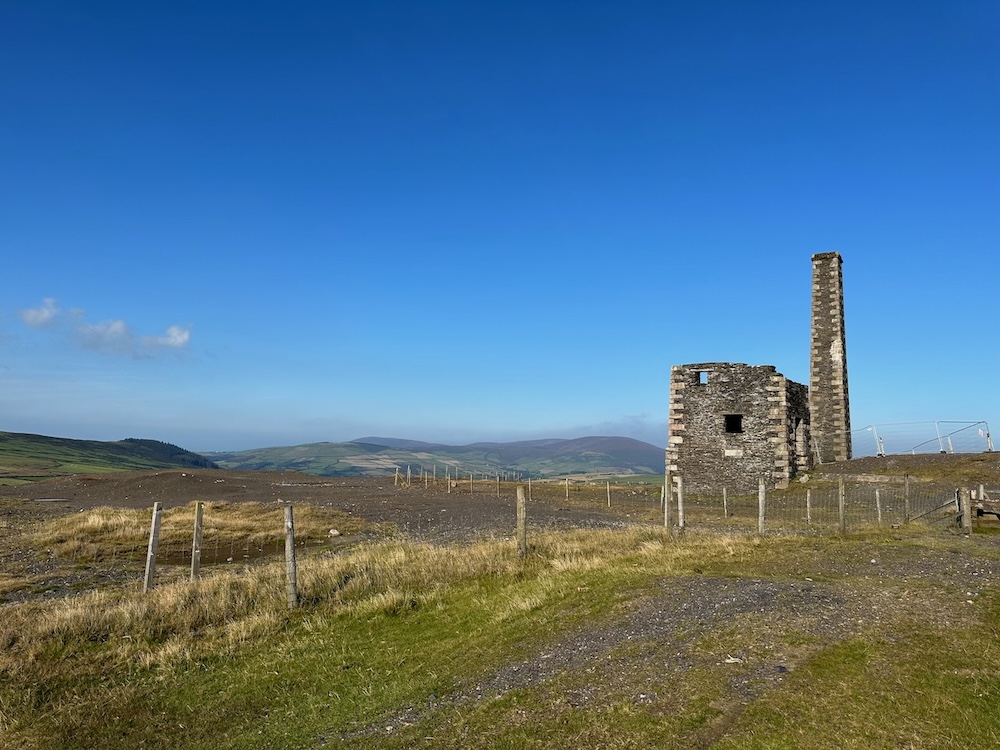
The Department of Environment, Food and Agriculture (DEFA) has lodged a formal appeal against the Planning Committee’s refusal of its Cross Vein silt‑treatment scheme, escalating a dispute that has already become one of the Island’s most closely watched environmental planning battles. The appeal, validated on 3 March and now registered as AP26/0005, has been passed to the Cabinet Office’s Planning Appeals team for independent handling.
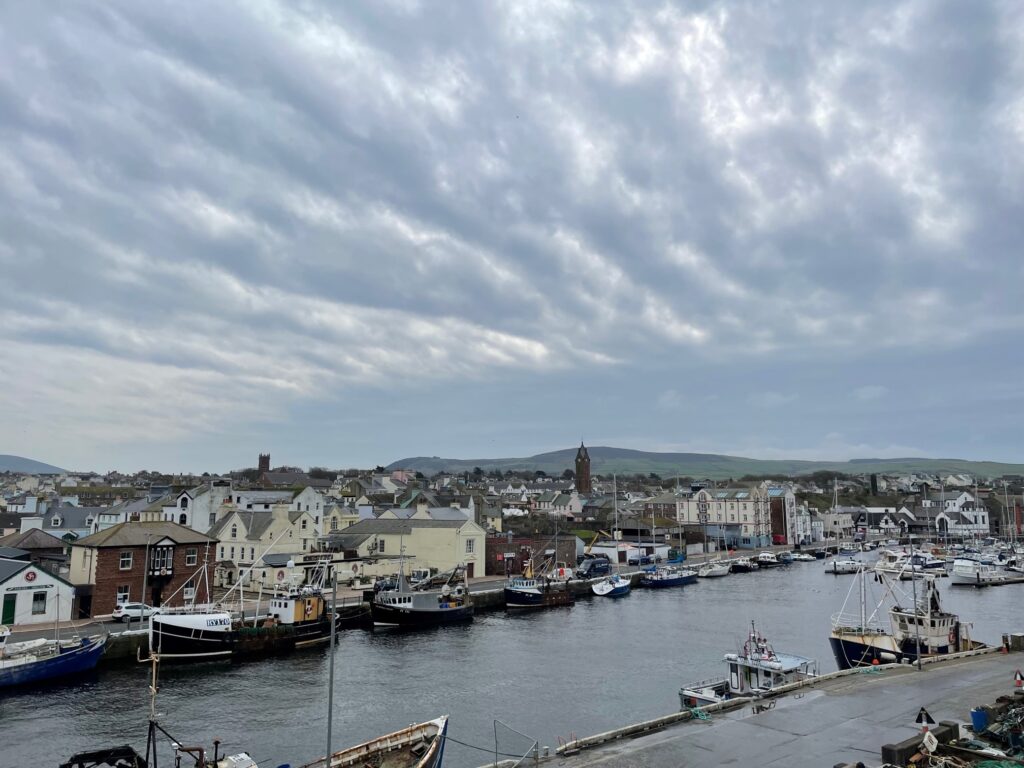
Sediment Disposal From Peel Marina
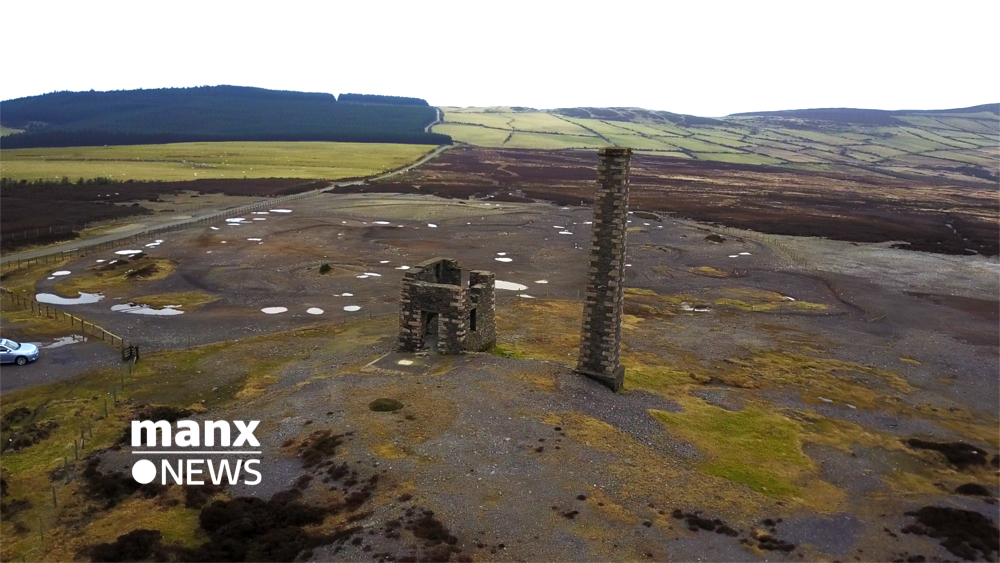
The original application sought permission to transport contaminated sediment from the Peel Marina lagoon to the disused Cross Vein Mine known locally as ‘Snuff the Wind’, where it would be treated and used in remediation works. The scheme involved constructing a settlement pond, installing a temporary treatment plant, cutting new access tracks across the hillside, and fencing off large areas of the site. At peak operation, the project would have sent dozens of heavy goods vehicles through Foxdale each day, raising concerns about safety and disruption.
Although two related applications — extending the Peel silt lagoon and designating Poortown as a permanent storage site — were approved, neither provides a disposal route for the dredged material. Cross Vein was intended to fill that gap, and its refusal leaves the Island without a long‑term solution to a problem that has persisted for more than a decade.
Planning Committee Said No
The Committee’s decision followed a split vote and centred on several key concerns. Members were not satisfied that the Environmental Impact Assessment provided a complete or reliable picture of the site’s ecological sensitivity. Updated surveys identified the Cross Vein area as nationally important for rare lichens, while neighbouring fields at Reest Buigh were found to be of national importance for waxcap fungi. The wider uplands, including the proposed works area, are recognised internationally as an Important Bird Area — a designation that carries significant conservation weight.
Committee members also questioned the scale and intensity of the engineering works proposed for such a sensitive landscape. The combination of earthworks, drainage channels, fencing and plant was judged to be out of keeping with the character of the uplands. Traffic impacts were another major concern, with the prospect of sustained HGV movements through Foxdale considered unacceptable without stronger mitigation.
There were also issues with the evidence base. The EIA relied heavily on the draft Area Plan for the North and West, a document formally rejected by Tynwald and therefore carrying no planning weight. Members concluded that the application rested on incomplete or outdated information and that the risks were too great to justify approval.
Objections
Local residents and campaigners played a significant role in the Committee’s deliberations, raising detailed objections that are now likely to resurface during the appeal. One of the most contentious issues was land ownership.
Governance concerns also featured prominently. Because the Planning Committee operates under delegated authority from DEFA, objectors argued that determining an application containing a known misstatement created the appearance of a department “marking its own homework.” The absence of meaningful public consultation during the EIA process added to those concerns.
DEFA “Marking its own homework” – Objectors
Environmental objections extended beyond ecology. Residents highlighted gaps in the contamination assessment, including the historic removal and sale of mine spoil in the 1940s and the lack of any analysis of anti‑fouling compounds associated with marina dredgings. They also pointed to the unexplained need for up to 5,000 cubic metres of imported growing medium, the source and contamination profile of which had not been identified. The omission of the Cair Vie onshore windfarm from cumulative assessment was described as a classic example of “salami slicing.”
What Happens Next
The Cabinet Office will now appoint an independent inspector to review the case. Once the Decision Notice is issued, eligible parties — including those who spoke at the original hearing — will be invited to participate. The inspector will then decide whether the appeal should proceed through written submissions, a hearing, or a full public inquiry.
For now, all correspondence must be directed to the Planning Appeals team, who will manage the process independently of DEFA. With Peel’s silt continuing to accumulate and no disposal route in place, the outcome of the appeal will have far‑reaching implications for environmental policy, upland protection and the future of the Cross Vein site.