

For more than a decade, Peel Marina’s silt has been a recurring problem that successive administrations have promised to resolve. Reports have been commissioned, consultants hired, lagoons expanded and temporary storage sites pressed into service. Yet the Island has never secured a long‑term disposal route for the tens of thousands of tonnes of contaminated sediment that continue to accumulate in the harbour each year.
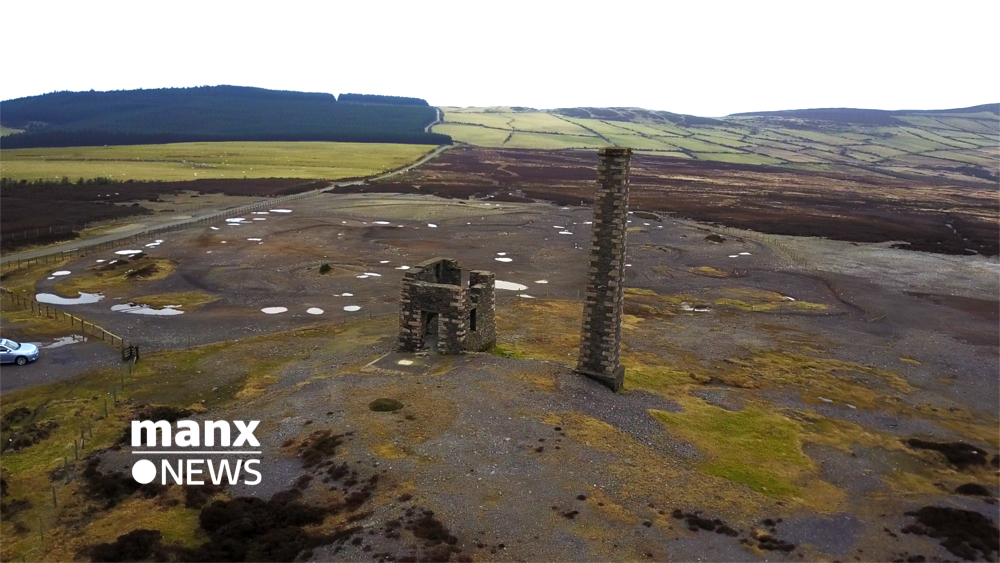
The latest attempt — a government‑led proposal to transport and treat the material at the former Cross Vein Mine (known as Snuff-the-Wind) in Foxdale — was meant to break that cycle. Instead, it has become a case study in how environmental complexity, internal governance and the legacy of the Island’s industrial past can collide.
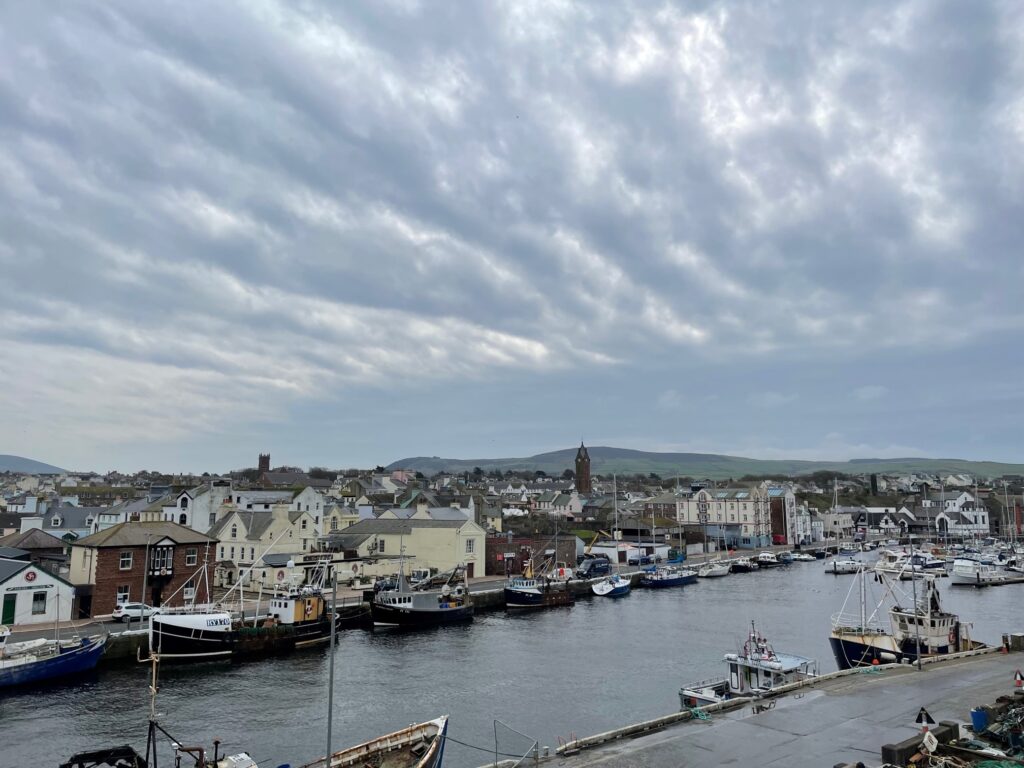
Last month, the Planning Committee refused permission for the scheme, halting a project ministers had repeatedly described as nationally important. The refusal was not a technicality but a decisive rejection, delivered after a split vote in which the committee chair used his casting vote to block the application. The decision has left the government without a disposal route, without a clear alternative, and with a growing sense of political discomfort about how the process unfolded.
Five Things to Know
A Government Regulating Itself
Documents shared by local resident Kirrie Jenkins, who gave evidence to the planning committee, reveal the unusual position the government placed itself in. The Department of Environment, Food and Agriculture was the applicant. The Department of Infrastructure acted as project manager. The land at Cross Vein is public‑owned. And the Planning Committee — which ultimately refused the application — sits within the same department that submitted it.
None of this is improper, but it creates a circular structure that relies heavily on internal transparency and public trust. The refusal letter itself acknowledges this by confirming that affected parties, including Jenkins, have been granted rights to give evidence should an appeal be lodged.
In her submission to the Planning Committee, Mrs Jenkins delivered a detailed critique of the Cross Vein proposal, beginning with what she described as a fundamental error in the application. DEFA, she said, had incorrectly declared itself the landowner, despite the site forming part of the Patrick Commoners’ Allotment and being held under statutory trust. The Commoners, she noted, had not been informed at any stage of the process. This, she argued, placed the Committee — operating under delegated authority from DEFA — in a compromised position.
“You are being asked to determine an application on the basis of a known misstatement by the parent department.”
She warned that this created the impression of a department “marking its own homework,” particularly in the absence of meaningful public consultation during the EIA process and in light of the Aarhus Convention’s requirements for transparency and participation.
Turning to the Environmental Impact Assessment, Jenkins described it as materially incomplete. She pointed out that it relied on the draft Area Plan for the North and West, a document formally rejected by Tynwald and therefore carrying no planning weight. Updated surveys, she said, identified the Cross Vein site as nationally important for rare lichens, while neighbouring fields at Reest Buigh were of national importance for waxcap fungi. She also reminded the Committee that the Isle of Man Hills are recognised by the RSPB, the UK Joint Nature Conservation Committee and BirdLife International as an Important Bird Area of global significance.
“The ecological baseline is incomplete — and conditions cannot lawfully cure that at decision stage.”
Her concerns extended to contamination. Historic records show that significant quantities of mine spoil were removed from Cross Vein in the late 1940s and sold by the Commons Land Board, yet the EIA did not assess where that material went or whether leaching may now be occurring elsewhere in the catchment. She also highlighted the absence of any assessment of anti‑fouling compounds associated with marina dredgings — persistent toxins whose behaviour in upland peatland environments has not been evaluated.
Uncertainty, she said, was compounded by the failure to identify the source of up to 5,000 cubic metres of imported growing medium or the route by which it would be transported. Without knowing where the material would come from, its contamination profile or its impact on other sensitive upland sites, she argued, the application was incomplete. She also criticised the exclusion of the Cair Vie onshore windfarm — already progressing through the major planning process — from cumulative assessment, describing the omission as “classic salami slicing.”
Her conclusion to the Committee was direct and unambiguous.
“Approval in its current form would be premature, contrary to law and policy, and would expose the authority to considerable legal risk.”
A Political Decision the Council Declined to Take
Another document — a letter from the Cabinet Office — shows that the Council of Ministers (Comin) had the option to “call in” the application under Section 11 of the Town and Country Planning Act. This would have allowed the Council to determine the application directly, bypassing the Planning Committee. Ministers were asked to decide whether they wished to take responsibility for the decision. Those with conflicts — including ministers from DEFA, DOI, Treasury and those without portfolio — were excluded. The remaining ministers unanimously agreed that the Council should not determine the application.
The political implications are hard to ignore. Comin had the power to take ownership of the decision, chose not to, and then watched its own proposal collapse.
The Traffic Burden That Couldn’t Be Ignored
The refusal notice’s first reason is blunt: the transport plan would have an unacceptable impact on traffic and highway safety during the summer tourist season. The internal documents show why. Between August and October, the project would have generated around sixty heavy goods vehicle movements per day as dewatered silt was moved from Peel to Foxdale. A further fifty‑plus HGV movements per day would have been required in October and November to bring in thousands of cubic metres of topsoil for the capping works.
The transport route winds through the streets of Peel, the villages of Lower and Higher Foxdale and the Slieau Whallian area, where narrow roads already struggle with seasonal pressure. For planners, the cumulative impact was simply too great.
A Landscape Shaped by Industry — and Still Vulnerable
Cross Vein Mine is not your average empty brownfield site, but part of the wider Foxdale mining district, once one of the most productive lead‑zinc regions in the British Isles. The 1982 Development Plan identifies the area as a conservation zone of ecological importance. The landscape is a patchwork of nineteenth‑century spoil heaps, old shafts, fragile hydrology and regenerating heathland. The documents show that the remediation plan would have required extensive mitigation: lichen surveys, bird surveys, invertebrate assessments, dust controls, cement containment, habitat creation plans, protected species fencing and the appointment of an ecological clerk of works.
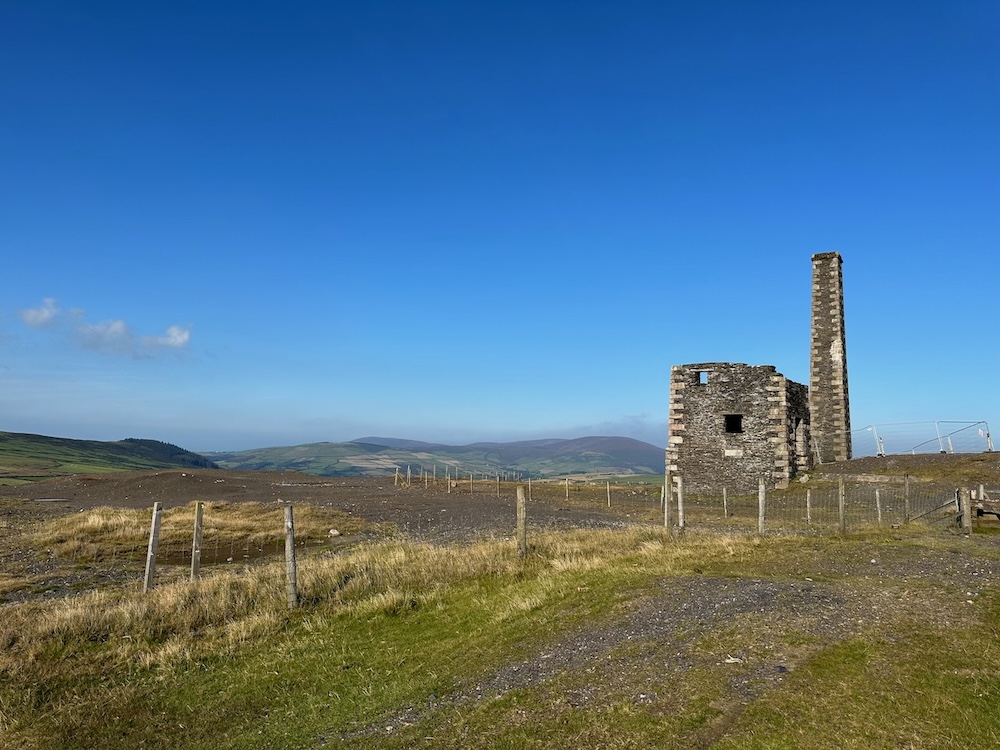
Even then, planners were not satisfied that the impacts — particularly those relating to capping and changes to ground permeability — were fully understood. The site’s complexity, shaped by its industrial past, became one of the proposal’s most significant vulnerabilities.
A Decade of Closure for Public Land
The long‑term implications for public access were also striking. The post‑remediation plan envisaged the site eventually becoming public land open to rambling, but only after a decade of controlled access while new heathland habitats established. A locked pedestrian gate would have been installed, with bicycles discouraged and motorbikes prohibited. For a government‑owned conservation area, the prospect of a ten‑year closure was a significant public impact that had received little attention.
Storage Without a Strategy
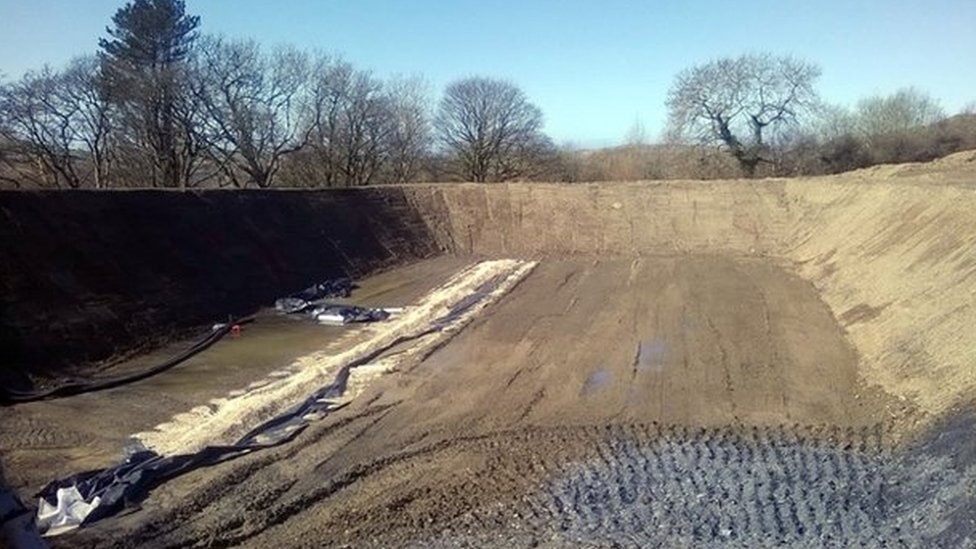
Two related applications were approved: an extension to the Peel silt lagoon and the permanent designation of the Poortown storage site. These approvals buy time but do not solve the underlying problem. The Island now has more capacity to store silt, but no approved method for treating or depositing it. The refusal of Cross Vein leaves the government with a growing backlog, a lagoon nearing capacity and a remediation strategy without a destination.
What Happens Next
DEFA has indicated that it intends to appeal. If it does, residents like Jenkins will be invited to give evidence. The appeal will test not only the technical merits of the proposal but the governance structure that produced it. The Cross Vein refusal is more than a planning decision; it is a moment of reckoning for a system that has struggled to reconcile environmental protection, public accountability and the practical realities of managing the Island’s industrial legacy.
For now, Peel’s silt remains where it has been for years: stored, managed and waiting for a solution that continues to elude the government. The collapse of the Cross Vein plan leaves ministers facing a familiar and uncomfortable question — what happens next?