




Ørsted, the Danish energy giant behind the proposed Mooir Vannin Offshore Wind Farm, made headlines yesterday with bold claims that the project could inject a staggering £2 billion into the Isle of Man’s economy over its 35-year lifespan.
But as the company touts financial windfalls and community investment, troubling developments elsewhere in its global portfolio cast a long shadow over the promises being made to Manx residents.
Promises of Prosperity
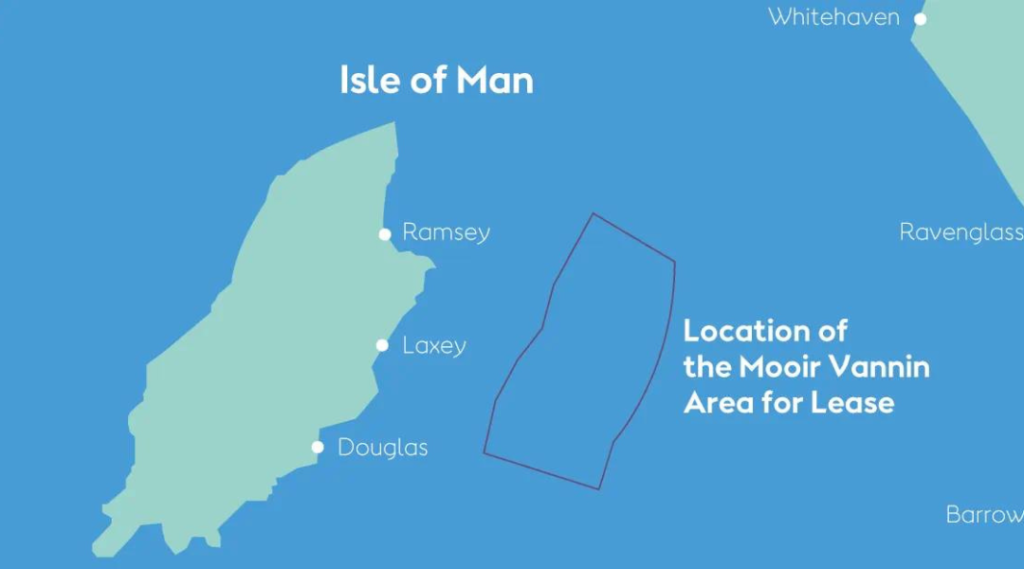
According to Ørsted, the Mooir Vannin wind farm—an 87-turbine array planned 6–12 nautical miles off the Island’s east coast—would generate revenue through seabed rental, taxation, and a Community Investment Fund offering up to £1.5 million annually for 15 years.
The company insists the Isle of Man Government would bear no financial risk, as Ørsted would fully fund the project.
once in a generation opportunity
Jamie Baldwin, Project Director, Ørsted
Jamie Baldwin, Project Director, described the scheme as a “once in a generation opportunity” aligned with the Island’s UNESCO Biosphere values.
Yet, despite the glossy projections, key financial details remain confidential, and the figures are based on “expectations and assumptions” rather than binding agreements.
Financial Storm Brewing
While Ørsted paints a rosy picture locally, its global operations are under severe strain.
Just days ago, the company announced a massive $9.4 billion rights issue—its largest ever—after failing to sell a stake in its Sunrise Wind project off New York’s coast. The collapse of that deal, triggered by what Ørsted called “material adverse developments” in the U.S. market, has left a gaping hole in its capital structure.
The Danish government, which owns a controlling stake in Ørsted, is injecting billions to stabilize the company, sparking political backlash at home.
Shares plummeted nearly 30% in Copenhagen, and analysts warn that Ørsted’s business model is increasingly fragile in a high-interest-rate environment.
What Aren’t We Being Told?
Given Ørsted’s precarious financial footing, questions are mounting about the viability of the Mooir Vannin project.
If the company is scrambling to raise billions just to stay afloat, how secure are its commitments to the Isle of Man? And if the promised £2 billion is contingent on assumptions and future negotiations, is it responsible to present it as a guaranteed windfall?
Moreover, the Isle of Man Government has yet to finalize the taxation regime or grant full planning consent.
With public consultations not expected until 2026 and operational status years away, the project remains speculative at best.
Public Sentiment and Scrutiny
Local authorities are beginning to take notice. Garff Commissioners will host a public meeting later this month to gauge residents’ views on the wind farm proposal. As more details emerge about Ørsted’s financial instability, skepticism is likely to grow.
In a time when transparency and fiscal prudence are paramount, the Isle of Man must ask: is this wind farm truly a golden opportunity—or a high-stakes gamble with a company in crisis?
Orsted’s financial situation in August 2025 is precarious and increasingly under scrutiny, especially in light of its ambitious offshore wind plans—including the proposed Mooir Vannin project for the Isle of Man. Here’s a breakdown of the key issues:
Finance & Performance
📉 Massive Capital Raise Amid Market Turmoil
- $9.4 Billion Rights Issue: Ørsted is raising 60 billion Danish kroner (approx. $9.4 billion) through a rights issue—its largest ever—to shore up its balance sheet.
- Share Price Collapse: The announcement triggered a nearly 30% drop in Ørsted’s share price, hitting a record low and wiping billions off its market value.
- Danish Government Bailout: Denmark, which owns 50.1% of Ørsted, is injecting billions to maintain its stake, sparking political backlash over taxpayer spending.
🌪️ U.S. Market Disruption
- Sunrise Wind Project Collapse: Ørsted was forced to abandon plans to sell a stake in its Sunrise Wind farm off New York due to “material adverse developments” in the U.S. market.
- Trump Administration Policies: President Trump’s renewed hostility toward wind energy—including suspending offshore wind leases—has destabilized the U.S. market and scared off investors.
- Funding Gap: Without external financing, Ørsted now must fund the entire Sunrise Wind project from its own balance sheet, creating a 40 billion kroner shortfall.
🔧 Operational Strain and Strategic Retrenchment
- Cancelled Projects: Ørsted has scrapped multiple developments in the U.S. and UK, including Hornsea 4, and is divesting its European onshore wind business to raise additional funds.
- Supply Chain & Inflation Pressures: The company has faced years of rising costs due to inflation, logistical bottlenecks, and shifting subsidy policies.
- Dilution Risk: Analysts warn that while the rights issue may stabilize Ørsted’s finances, it will significantly dilute shareholder value in the short term.

10 Comments