




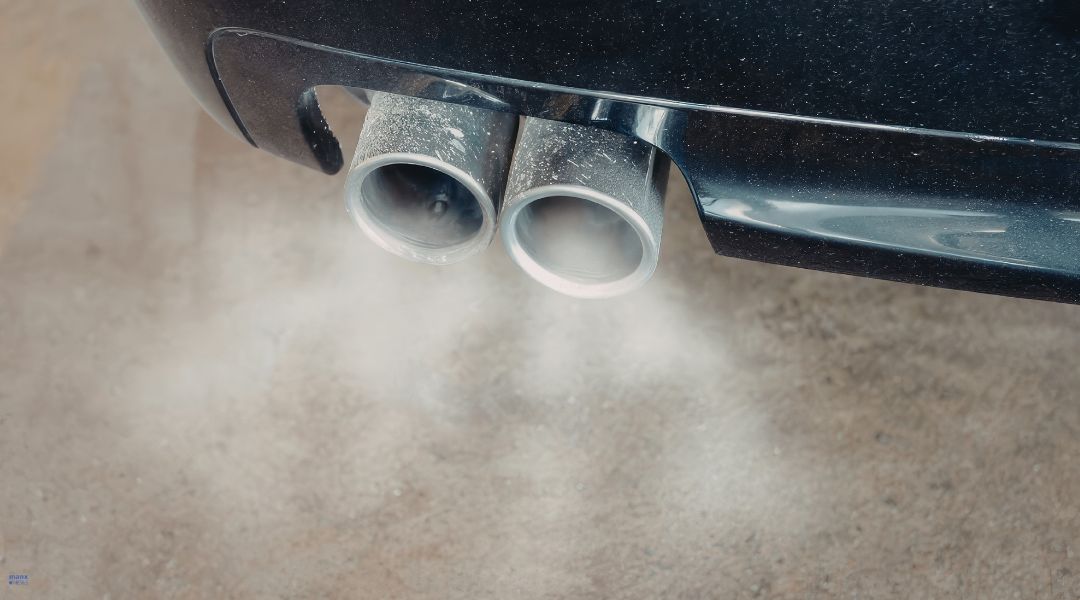
Jersey has abandoned its plan to ban the sale of new petrol and diesel cars from 2030 after public consultation showed strong opposition to the proposal, BBC reports.
The move marks a significant shift in the island’s approach to reducing road‑transport emissions.
Environment Minister Steve Luce confirmed that the policy had been scrapped entirely, following an earlier decision to remove second‑hand vehicles from the proposed ban.
According to the BBC, Luce said it had become clear that “the majority of people were not in favour of the proposed phase‑out,” and that changes in the UK market would “cascade to the local market automatically,” reducing the need for Jersey to legislate independently.
Public Feedback Drove the Reversal
A consultation on the proposal drew more than 2,000 responses. The BBC reports that 63% of individuals and 79% of organisations said they expected to be negatively affected by the phase‑out.
Luce said both the economic analysis and the public feedback were central to his decision.
He added that islanders wanted to maintain “freedom of choice” when selecting vehicles and that affordability remained a major concern.
While acknowledging that the decision would slow progress on cutting road emissions, Luce said a “just transition” for motorists was essential.
Net Zero Commitment Remains
Despite the policy reversal, Luce insisted he remained “absolutely committed to Jersey’s 2050 net zero goal.”
Ending the importation of new fossil‑fuel vehicles had been a key part of the island’s Carbon Neutral Roadmap, but he said it was now necessary to rethink aspects of that strategy.
According to the BBC, Luce said the government would use this moment to reassess its broader transport policies, including taxes and charges, to ensure they work together to support sustainable travel, maintain public revenue, and help islanders decarbonise their journeys.
