
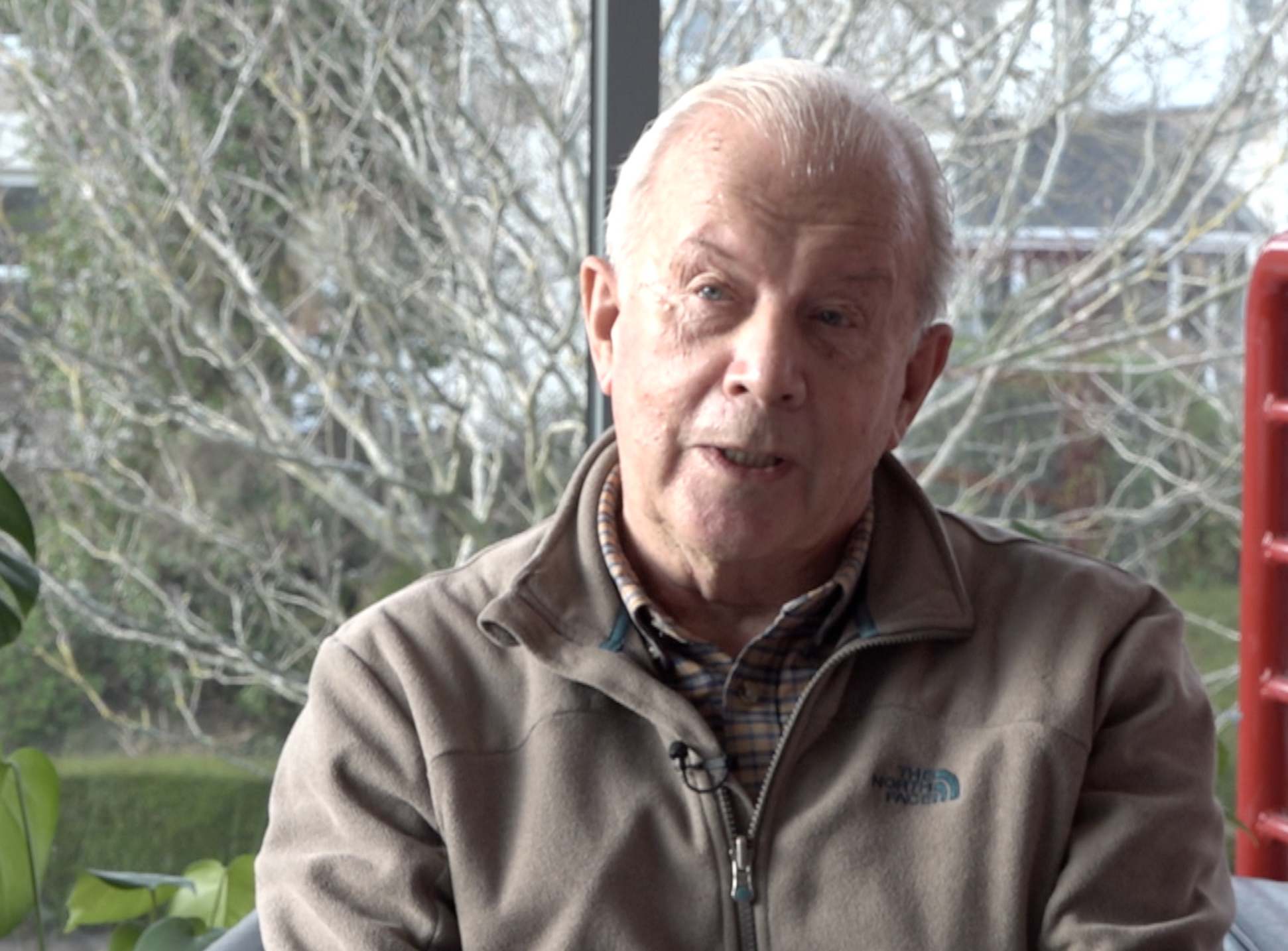
Former MHK and government minister Chris Robertshaw has launched a new political reform movement — Future Isle of Man — aimed at reshaping how the Island is governed ahead of this year’s General Election.
The initiative, centred around the new website futureiom.im, is not a political party and will not field candidates. Instead, Robertshaw describes it as a platform designed to help prospective MHKs understand what he sees as the fundamental structural problems within Manx government.
“We’re not a political party. We’re not standing for election,” he told Manx.News. “What it’s about is good governance — and that’s a very, very important matter as we approach the general election.”
Three ‘Pillars’ of Reform
Robertshaw says Future Isle of Man is built on three core pillars:
- Improved democracy
- Smaller, smarter government
- Higher‑quality strategic thinking
1. A weakening democracy
Robertshaw argues that public influence over government decisions has eroded since the introduction of the ministerial system in 1986.
“Power and control have migrated more and more towards the departments,” he said. “That bureaucratic process is taking less and less notice of public opinion.”
He believes the Island needs new democratic tools — including limited annual referenda — to ensure voters remain engaged throughout the five‑year parliamentary term, not just on election day.
2. A government that has become ‘too big’
The second pillar focuses on the Island’s long‑running structural deficit and what Robertshaw describes as an unsustainable reliance on reserves.
“We’ve been eating away at our reserves constantly,” he said. “We can’t go on like this.”
He argues that government has grown too large and too expensive, and proposes a shift to a unified government model — reducing duplication, cutting bureaucracy, and allowing departments to focus on frontline services.
3. Better long‑term thinking
The third pillar targets what Robertshaw calls repeated failures in strategic planning.
“We’ve fallen flat on our faces I don’t know how many times because we’ve got our strategic thinking wrong,” he said.
He believes Tynwald members need independent access to analysis rather than being presented with “oven‑ready” departmental proposals that they have little time to scrutinise.
Aimed at Candidates, Not Voters
Robertshaw acknowledges that most voters will focus on local issues and individual candidates — not constitutional reform. But he insists that the Island has “run out of time” to avoid deeper structural problems.
“It’s difficult for the individual voter to grasp all this,” he said. “This whole process of how one reforms government is going to lie with the majority of the next House of Keys.”
Future Isle of Man will therefore focus its efforts on educating and engaging candidates, particularly newcomers who may otherwise be “chewed up and spat out” by the system.
“Our government is currently in a doom loop.”
While avoiding specific policy positions, Robertshaw warns that the next administration will inherit a system that is “over‑expensive and in significant parts dysfunctional.”
He urges candidates to pursue their constituency priorities, but also to recognise the need for structural reform.
“They’re entering an organisation that is over‑expensive and, in significant parts, dysfunctional,” he said. “Our government is currently in a doom loop.”